Plaster repair
Plaster Repair in Clearwater, FL
Overview
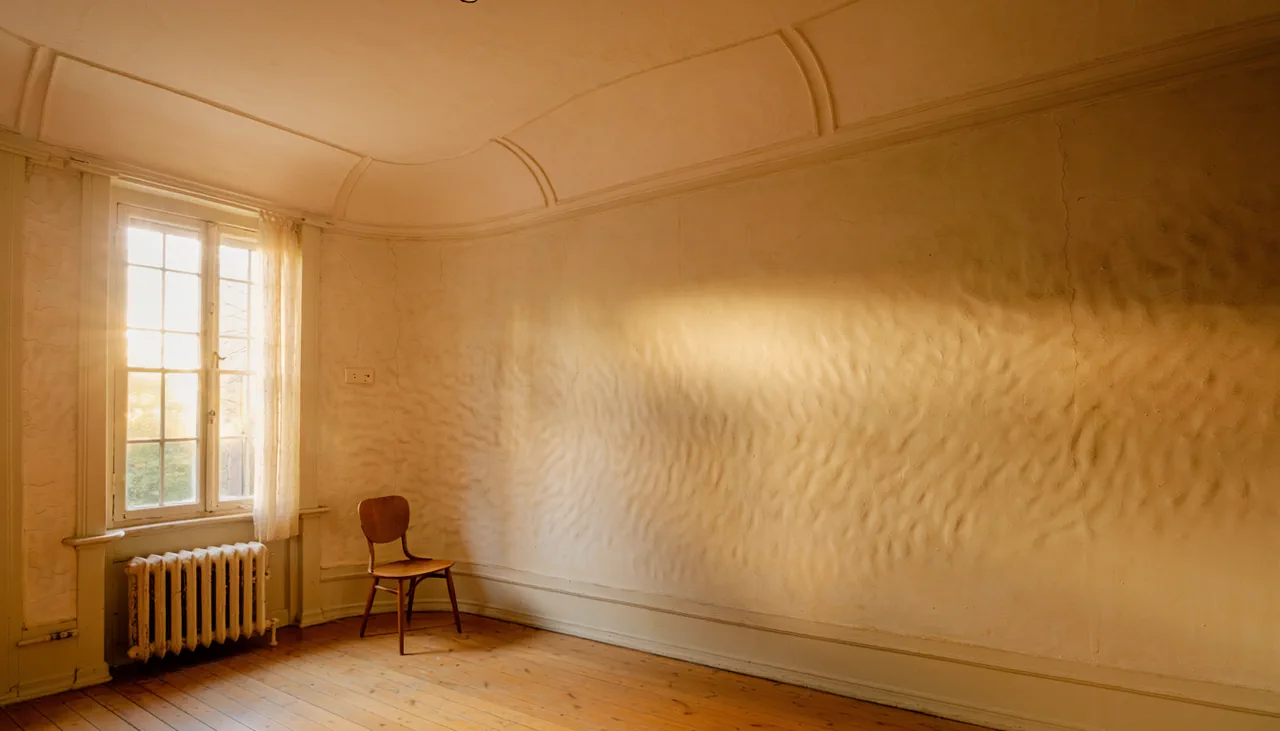
Plaster is a different material from drywall, and it shows up in a specific slice of Clearwater’s housing stock: homes and buildings old enough to predate drywall becoming the standard, which didn’t happen nationally until the postwar decades. A plaster wall repaired with drywall techniques and modern joint compound tends to look like exactly what it is, a patch, rather than blending into the original surface.
Clearwater’s population was still small enough in the early 1900s, around 400 residents by 1900 and only a few thousand through the 1920s and 30s, that very little from that era survives today, but what does exist is genuinely plaster-era construction. Harbor Oaks, an early 20th-century residential development near the original Fort Harrison site, along with downtown landmarks like the Fort Harrison Hotel and the old Pinellas County Courthouse, represent the kind of building stock where original plaster walls and ceilings are still in place. Repairing that plaster well means working with the material the way it was originally built, not defaulting to drywall methods because they’re more familiar.
The work
What's Included in Our Plaster Repair Service
- Assessment of whether cracking is surface-level or a sign of the lath or substrate underneath failing
- Repair of cracked, sagging, or crumbling plaster using materials and techniques suited to older wall systems
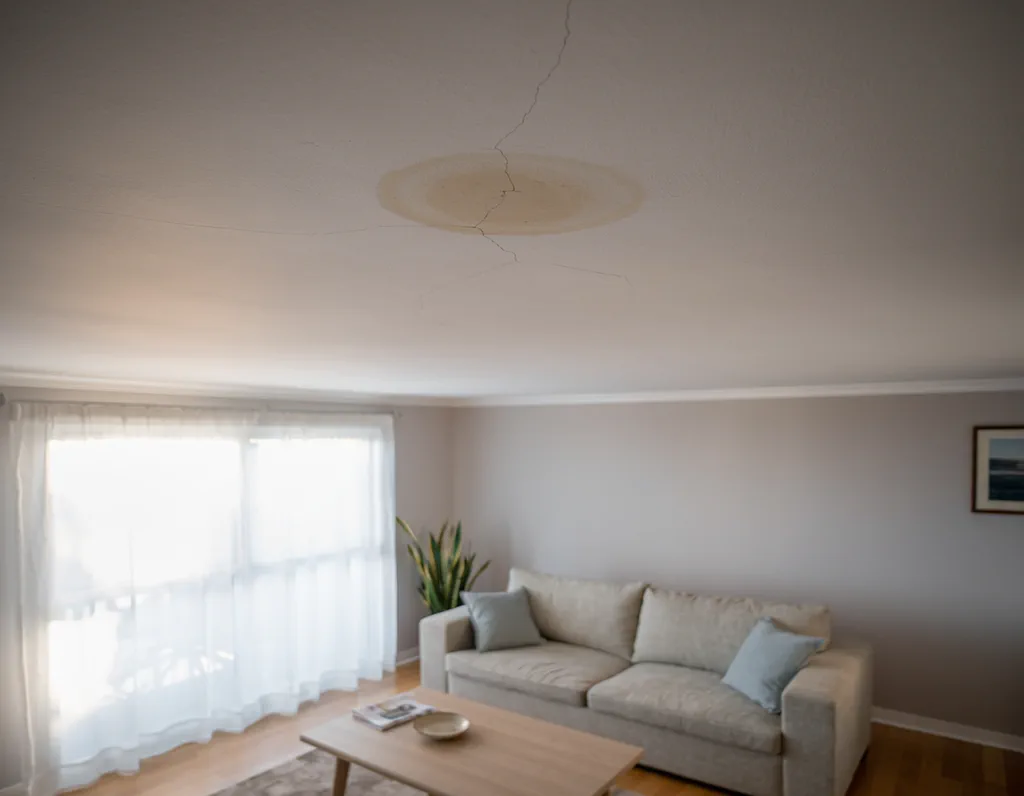
- Ceiling plaster repair, including sections showing sagging from age or past moisture exposure
- Skim coating and blending repairs into the surrounding original plaster texture
- Careful matching of surface finish, since older plaster often has a different texture and hand-finished character than modern drywall
What to look for
Signs Your Plaster Needs Repair
Plaster ages differently than drywall, and these are the signs worth having looked at.
Fine cracking that spreads in a web-like pattern, common as plaster ages
Larger cracks or a section that’s visibly separating from the wall
A ceiling that feels soft or shows sagging, which can mean the plaster has lost its bond to the lath behind it
Crumbling or flaking plaster, especially near corners or ceiling lines
Previous drywall-style patches that don’t match the surrounding plaster’s texture or finish
How it works
Our Process
-
Inspection of the wall system
-
Removal of failing plaster
-
Repair and rebuild
Finish and texture match
Questions
Frequently Asked Questions
- Why does plaster crack more than drywall?
- Plaster is a rigid material applied over wood or metal lath, and it responds to a house settling and to humidity changes differently than drywall does. Fine cracking over time is normal for plaster, but larger cracks or sagging usually mean the bond between the plaster and the lath behind it has weakened.
- Do you have experience with older, historic homes?
- Yes. Clearwater has real pockets of early 20th-century construction, including neighborhoods like Harbor Oaks near the original Fort Harrison site, along with downtown landmarks such as the Fort Harrison Hotel and the old Pinellas County Courthouse. Homes and buildings from that era were built with plaster, not drywall, and repairing them well means understanding how that original wall system works.
- Can plaster be repaired, or does it need to be replaced with drywall?
- In most cases it can be repaired and matched to the original material. Replacing a plaster wall with drywall is sometimes done during a larger renovation, but for most cracks and localized damage, a proper plaster repair keeps the wall consistent with the rest of the room.
- Will a plaster repair match the texture of the rest of my wall?
- That’s the main difference between a plaster specialist and a standard drywall patch. Older plaster often has a distinct, sometimes hand-finished texture, and matching it takes a different technique than matching a modern drywall texture.
Free estimate
Get Your Plaster Assessed by Someone Who Works With It Regularly
Plaster repair done with drywall techniques tends to stand out. We’ll assess the wall, explain what’s going on, and repair it to match.