Water damage repair
Water Damaged Drywall Repair in Clearwater, FL
Overview
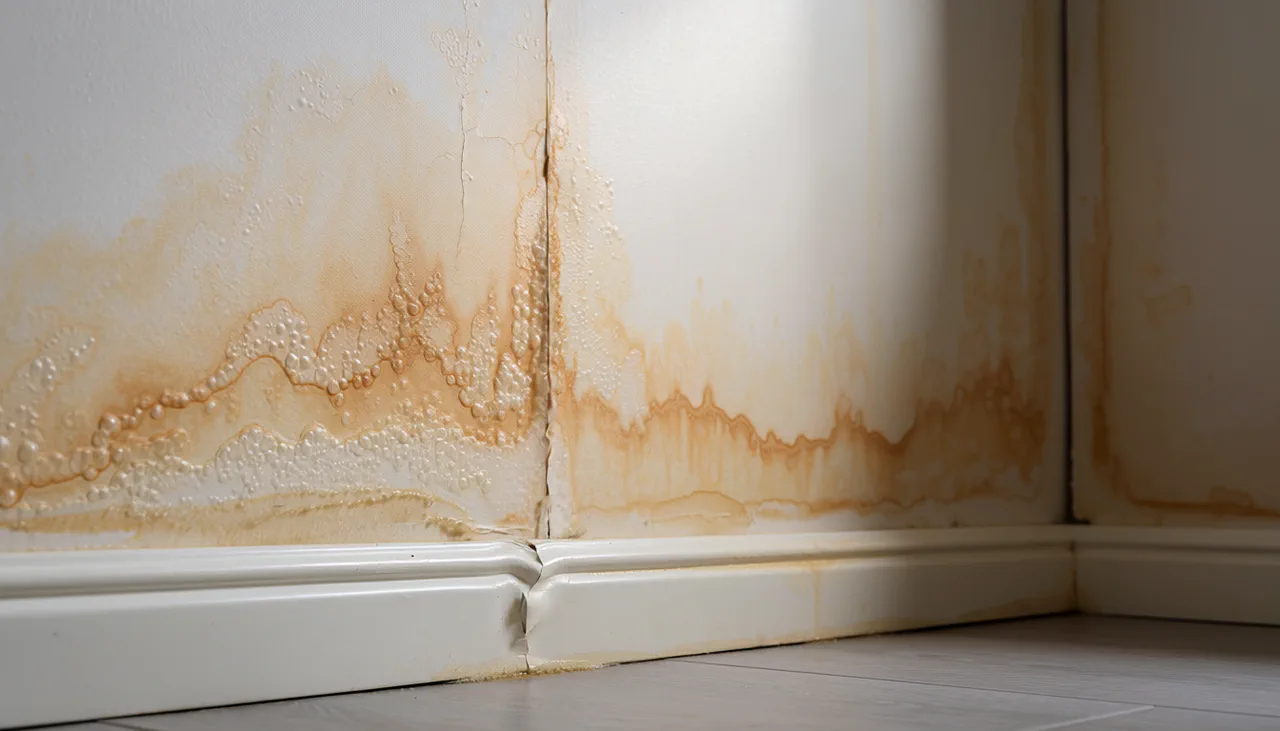
Water damaged drywall doesn’t stay a small problem for long. What starts as a faint ceiling stain from a slow roof leak, a bathroom that never quite dries out, or storm water that found its way behind a wall can turn into soft, crumbling drywall and mold growth within days if it isn’t addressed. This service covers that full range, from an isolated stain that needs to be cut out and rebuilt to a larger section affected by an ongoing leak.
Clearwater averages 52.6 inches of rain a year, with July and August alone bringing 9.5 inches each and August seeing measurable rain on 17 separate days, more than half the month. That kind of sustained wet-season exposure, whether it’s wind-driven rain during a storm, a slow AC condensation line leak, or humidity working through a hairline crack in exterior stucco, gives moisture more opportunities to get into a wall here than in most parts of the country. Once water reaches drywall, the paper facing and gypsum core hold onto it, which is exactly the environment mold needs to start growing, often within one to two days of the material staying wet. Getting to it quickly, and getting the source of the moisture addressed alongside the repair, is what keeps a small leak from turning into a bigger, more expensive rebuild.
The work
What's Included in Water Damaged Drywall Repair
- Moisture source identification, working with your roofer or plumber when the damage points to an active leak
- Removal of all compromised drywall, including material that looks fine on the surface but is soft or discolored underneath
- Mold-affected material removal and treatment of the framing and surrounding area before any new drywall goes up
- New drywall installation, taping, and finishing to match the surrounding wall or ceiling
- Texture matching so the repaired section is invisible once painted
What to look for
Signs You Have Water Damaged Drywall
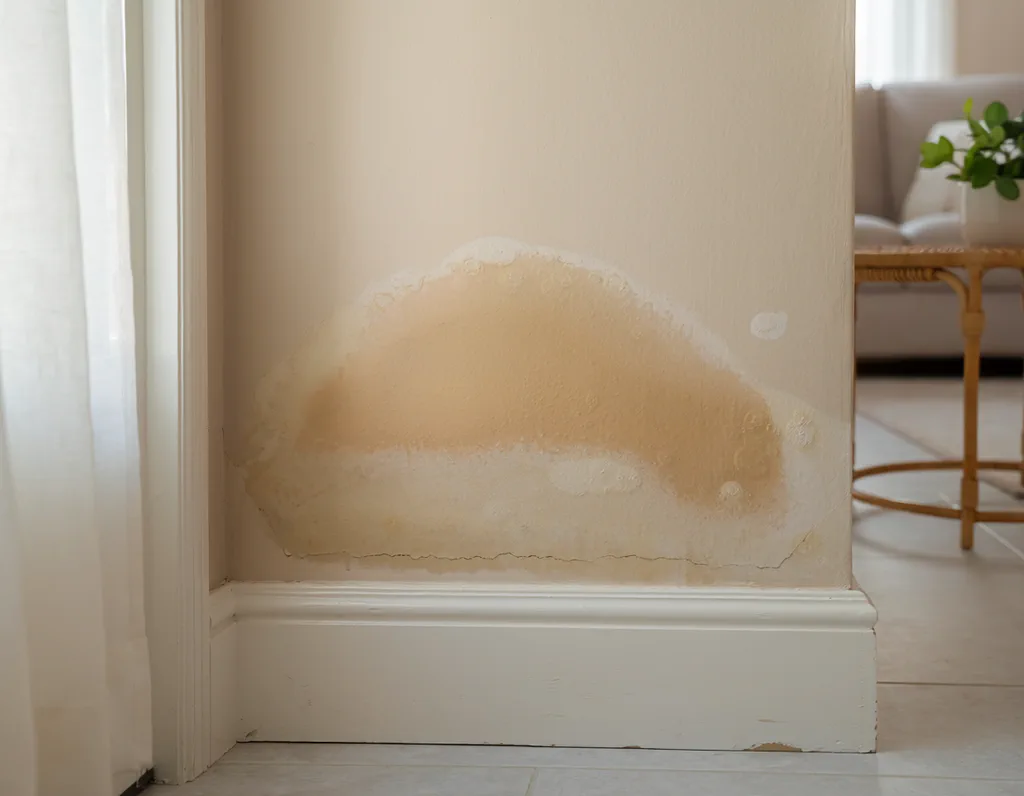
Water damage doesn’t always show up as an obvious stain. These are the signs worth acting on quickly, since mold can begin developing on wet drywall within one to two days.
Discoloration or a yellow-brown stain, especially on a ceiling below a bathroom, roof valley, or AC line
Drywall that feels soft, spongy, or bulges slightly when pressed
A musty smell in a room that wasn’t there before
Visible mold spotting, which can appear black, green, or gray
Peeling or bubbling paint, which often means moisture is trapped behind it
A sagging ceiling, which can mean the drywall has absorbed enough water to lose structural integrity
How it works
Our Process
-
Inspection and moisture source check
-
Removal of compromised material
-
Treatment and drying
Rebuild and finish
Questions
Frequently Asked Questions
- Can water damaged drywall be repaired, or does the whole wall need to be replaced?
- It depends on how far the moisture spread. Often only the affected section needs to come out, but if water has traveled behind the wall or up into adjoining framing, a larger section may need to be removed to get to dry material.
- How do I know if my drywall has mold versus just a water stain?
- A stain alone doesn’t always mean mold, but any musty smell, visible spotting, or drywall that stays soft after drying out are strong indicators. We assess this during the inspection before deciding how much material needs to come out.
- Do you fix the source of the leak, or just the drywall?
- We repair the drywall itself. For an active roof or plumbing leak, we coordinate with your roofer or plumber to make sure the source is addressed before we close the wall back up, since repairing drywall over an unresolved leak just means doing the repair again later.
- How fast can this be repaired once the moisture source is fixed?
- Once the area is confirmed dry, most water damage repairs move at the same pace as a standard drywall installation, typically a few days depending on the size of the affected area and drying time between coats.
Free estimate
Get Water Damaged Drywall Assessed Quickly
The longer damaged drywall sits, the more likely mold becomes a factor. Contact us for an inspection and a clear plan to get it repaired.